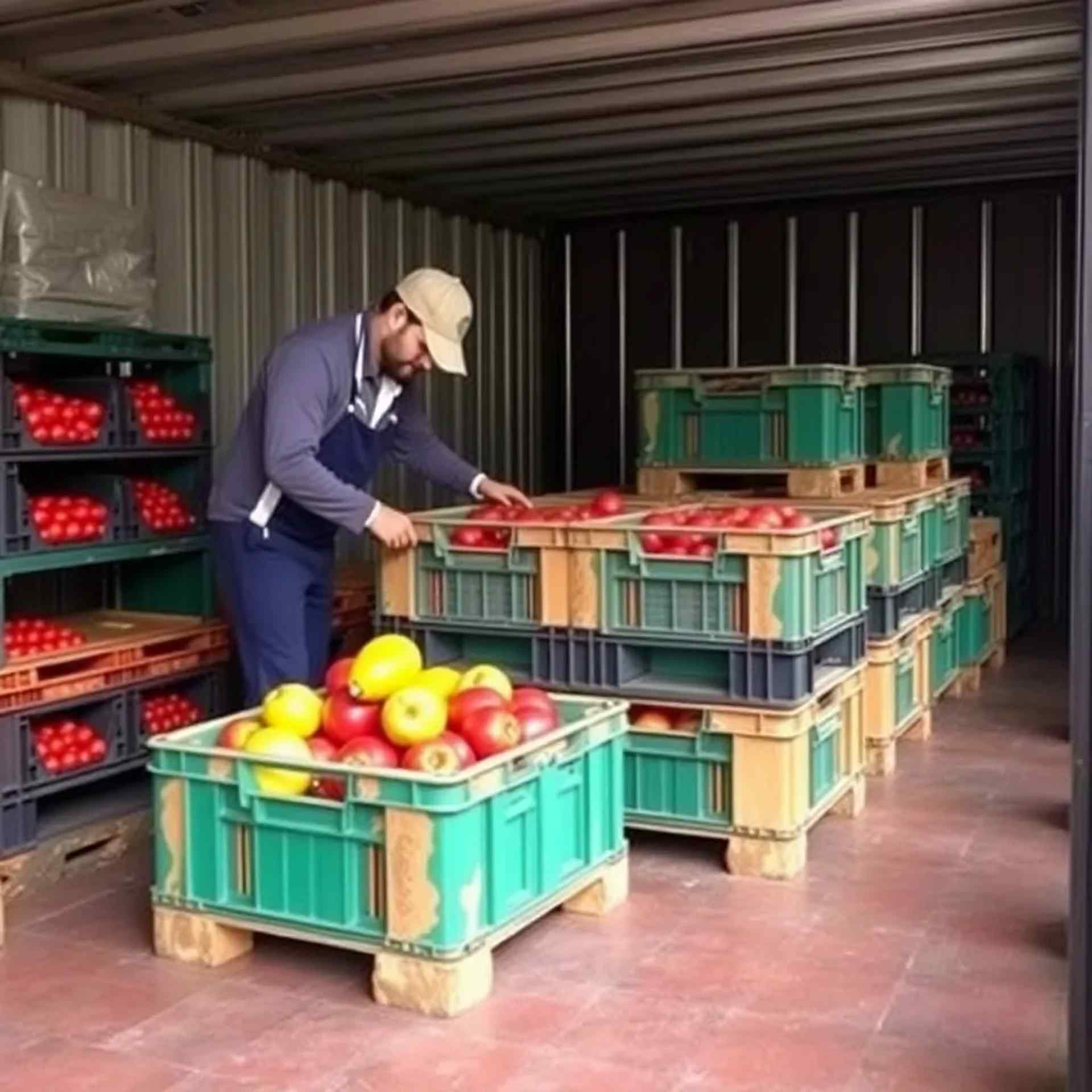
Complete Guide to Choosing Agricultural Crates
Learn how to select the perfect crate for your specific agricultural needs. This comprehensive guide covers load requirements, material considerations, and cost optimization strategies.
Read Full Article →Understanding Your Transport Needs
Before selecting a crate, assess your specific requirements. Consider the type of produce, average load weights, transport distances, and storage conditions. Different crops have different needs - leafy vegetables require ventilation, while root vegetables need robust support.
Material Considerations
- High-Density Polyethylene (HDPE): Excellent durability, UV resistance, and easy cleaning. Ideal for heavy-duty applications.
- Polypropylene (PP): Lightweight yet strong, with good chemical resistance. Perfect for frequent handling.
- Recycled Materials: Environmentally friendly options that maintain structural integrity while reducing costs.
Load Capacity Planning
Always choose crates with 20-30% more capacity than your typical load. This safety margin prevents structural failure and extends crate lifespan. For bulk operations, consider stackable designs that maximize vertical space utilization.
Cost-Benefit Analysis
While initial investment matters, calculate the total cost of ownership including durability, maintenance, and replacement frequency. Premium crates often provide better long-term value through extended service life and reduced product loss.

Essential Maintenance for Long-Lasting Crates
Proper maintenance can extend your crate lifespan by up to 300%. Discover cleaning protocols, inspection schedules, and storage best practices that protect your investment.
Read Full Article →Daily Cleaning Protocols
After each use, rinse crates with clean water to remove soil, debris, and organic matter. For stubborn residue, use mild detergent and a soft brush. Avoid harsh chemicals that can degrade plastic materials.
Weekly Inspection Checklist
- Check all corners and joints for cracks or stress fractures
- Inspect handles and grips for secure attachment
- Verify drainage holes are clear and unobstructed
- Examine base for warping or deformation
- Test stacking mechanisms for proper engagement
Storage Best Practices
Store crates in covered areas away from direct sunlight when not in use. Stack empty crates properly to prevent deformation. Maintain adequate ventilation to prevent moisture buildup and mold growth.
Repair vs. Replace Decision Matrix
Minor cracks can often be repaired with food-safe plastic welding. However, replace crates with structural damage, multiple repair sites, or compromised load-bearing capacity. Safety should always be the priority.
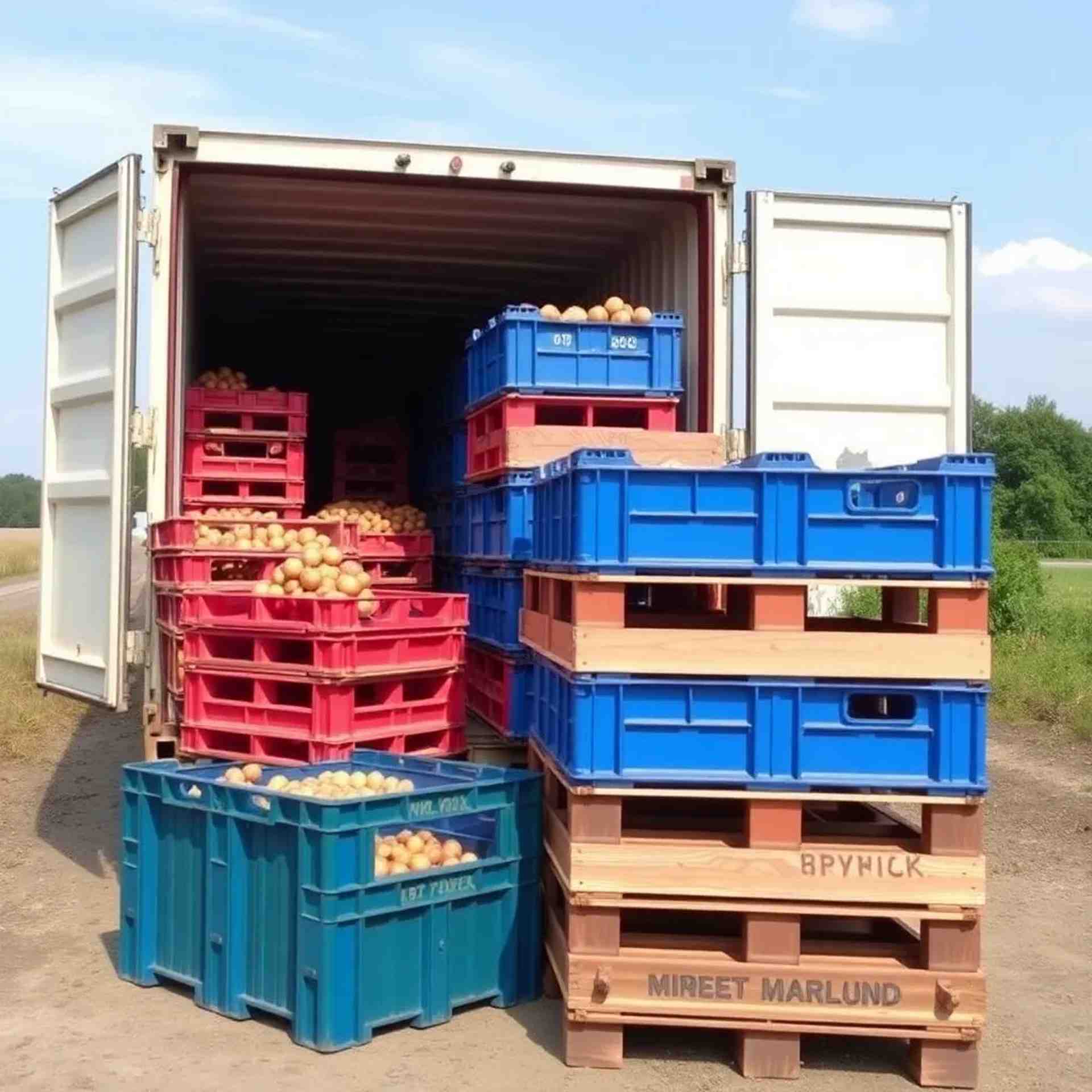
Agricultural Transport Trends in 2025
Explore emerging technologies and sustainability initiatives reshaping agricultural logistics. From smart tracking to biodegradable materials, discover what's next in the industry.
Read Full Article →Smart Crate Technology
IoT-enabled crates with embedded sensors are revolutionizing supply chain visibility. Real-time monitoring of temperature, humidity, and location helps reduce spoilage and optimize logistics. Early adopters report 15-25% reduction in product loss.
Sustainability Initiatives
The industry is moving toward circular economy models. Manufacturers are developing crates from 100% recycled ocean plastics and agricultural waste. These innovations maintain performance while significantly reducing environmental impact.
Automation Integration
Modern crates are designed for compatibility with automated sorting and handling systems. Standardized dimensions and RFID integration enable seamless integration with warehouse robotics and conveyor systems.
Regional Market Dynamics
Southeast Asian markets are experiencing rapid growth in cold chain infrastructure. This drives demand for specialized crates that maintain temperature control during last-mile delivery. Malaysia's strategic position makes it a key hub for these innovations.
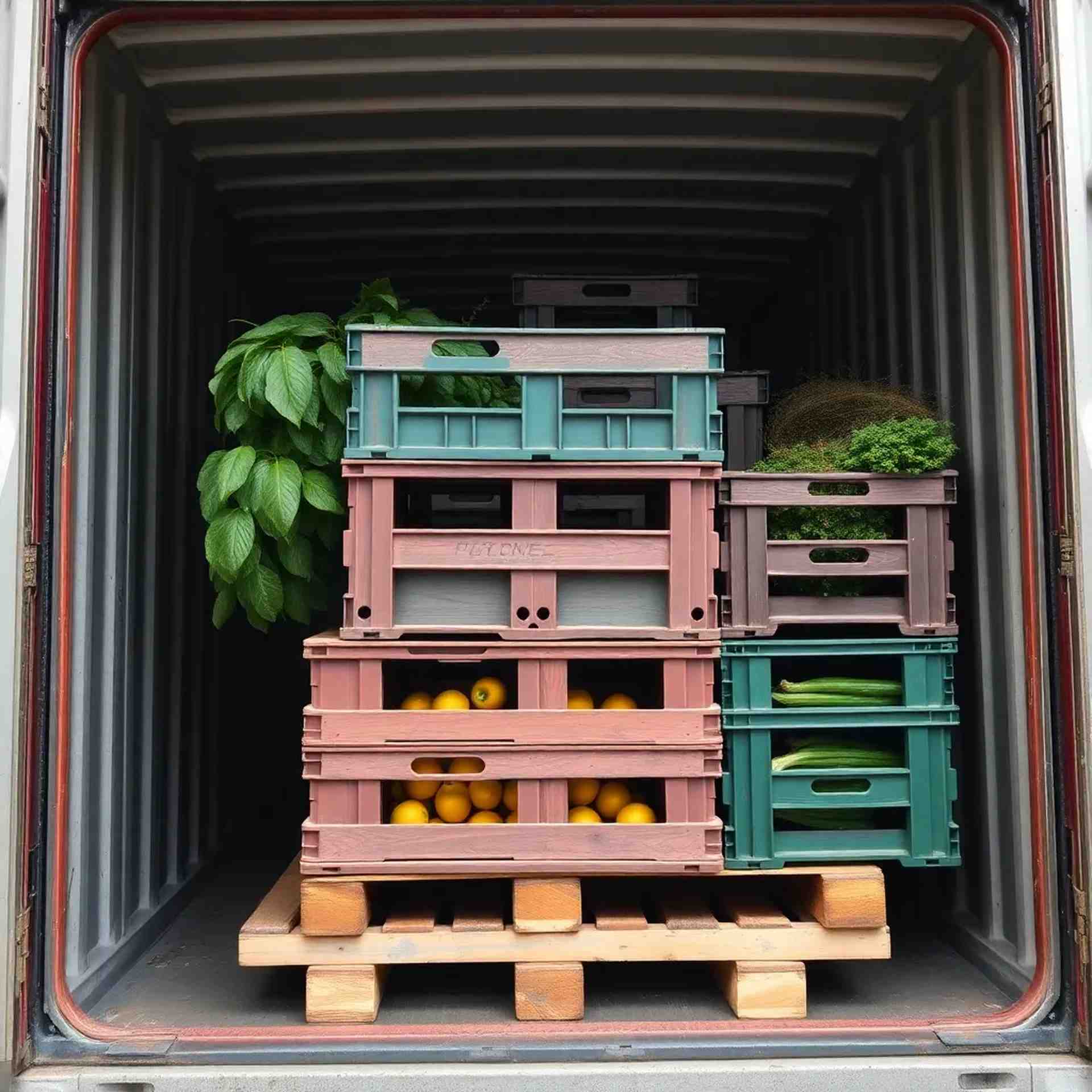
Maximizing Transport Efficiency with Proper Crate Selection
Reduce transport costs by up to 40% through strategic crate selection and optimization. This guide reveals proven strategies used by leading agricultural distributors.
Read Full Article →Space Optimization Techniques
Stackable and nestable crates can reduce return shipping costs by 60-75%. When empty, these crates collapse or nest together, maximizing vehicle capacity and reducing fuel consumption per unit transported.
Load Planning Strategies
- Use uniform crate sizes to simplify pallet configuration
- Implement color-coding systems for quick identification
- Calculate optimal stack heights based on product fragility
- Plan routes considering crate return logistics
Seasonal Considerations
Peak harvest seasons require flexible capacity. Consider rental options or modular crate systems that can scale with demand. This prevents over-investment in equipment that sits idle during off-seasons.
ROI Calculation Framework
Track metrics including product loss rates, transport cost per unit, crate lifespan, and handling time. Benchmark against industry standards to identify improvement opportunities. Most operations see ROI within 18-24 months on premium crate investments.
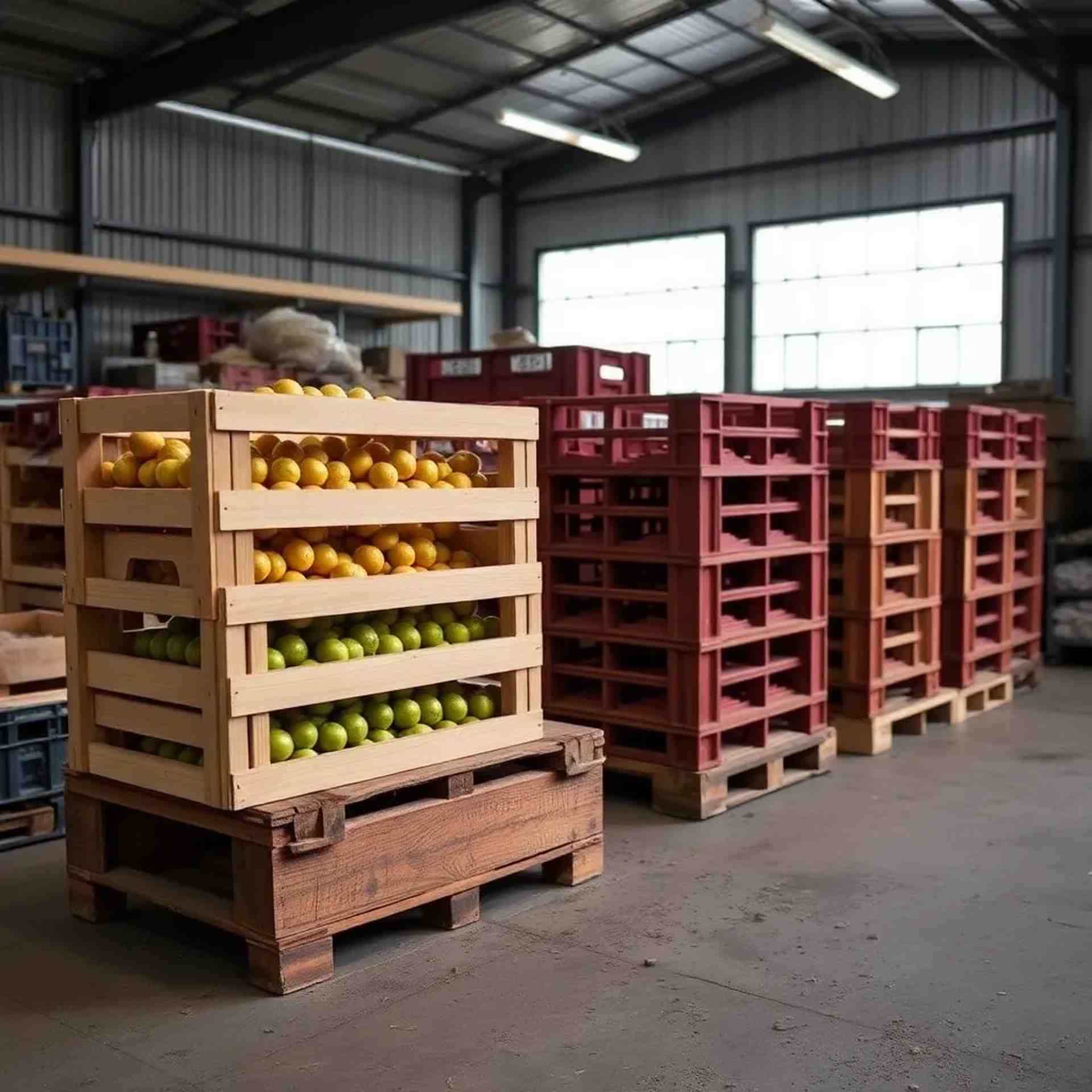
Food Safety and Hygiene Standards for Agricultural Crates
Compliance with international food safety standards is non-negotiable. Learn the protocols that keep your produce safe and your business compliant with regulations.
Read Full Article →Regulatory Requirements
Malaysian food safety regulations align with international standards including HACCP and ISO 22000. All crates used in food transport must be made from food-grade materials and maintained according to strict hygiene protocols.
Sanitization Procedures
- Pre-rinse to remove gross contamination
- Wash with approved food-safe detergent
- Rinse thoroughly with potable water
- Sanitize using approved food-grade sanitizers
- Air dry completely before storage or reuse
Cross-Contamination Prevention
Implement color-coding systems to separate crates by product type. Never use crates that previously held chemicals, non-food items, or raw proteins for fresh produce without thorough decontamination and inspection.
Documentation and Traceability
Maintain cleaning logs, inspection records, and crate rotation schedules. Digital tracking systems can automate compliance documentation and provide audit trails for regulatory inspections.
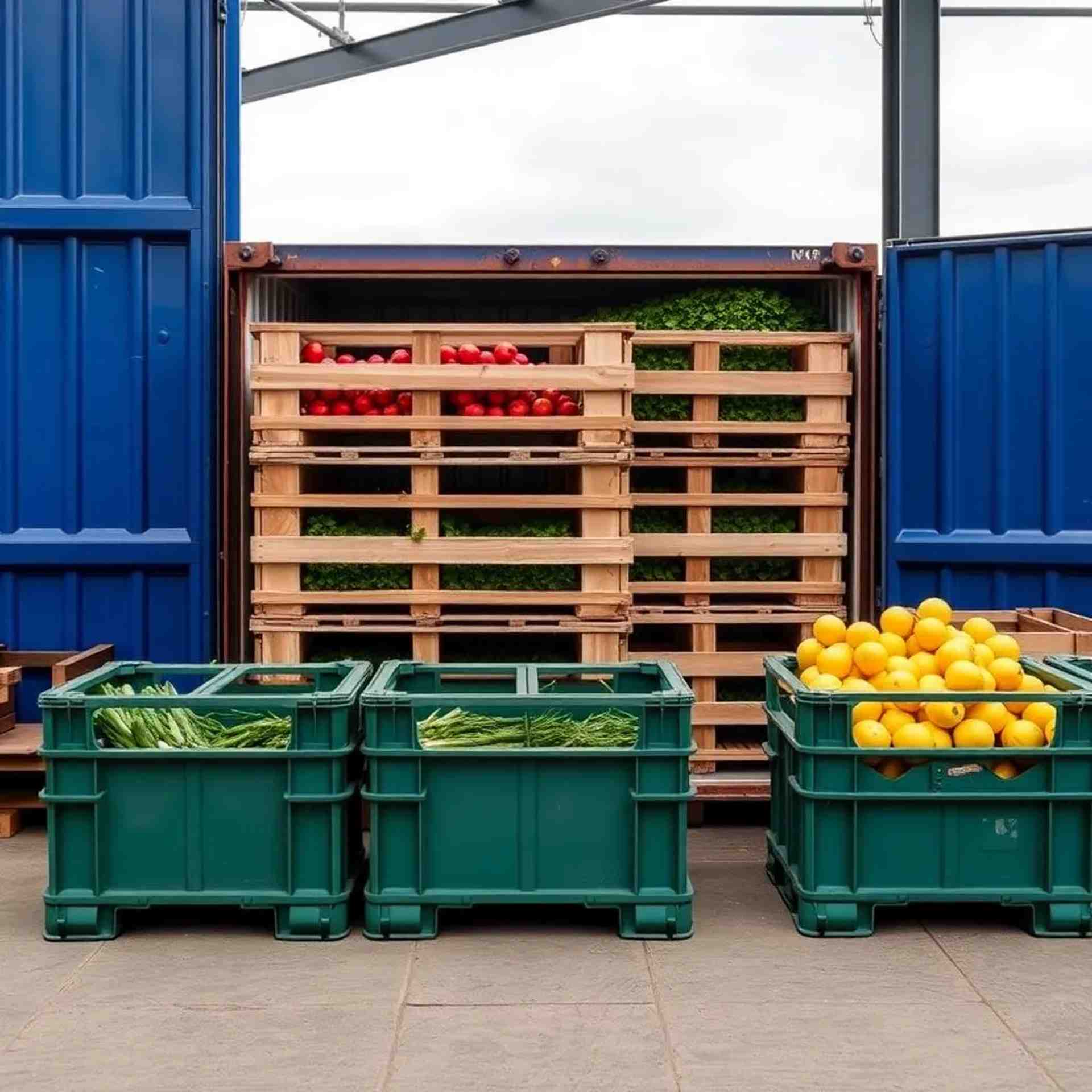
Sustainable Practices in Agricultural Transport
Environmental responsibility meets operational efficiency. Discover how sustainable crate choices benefit both your bottom line and the planet.
Read Full Article →Carbon Footprint Reduction
Durable, reusable crates eliminate the need for single-use packaging. A typical agricultural crate can replace 500+ cardboard boxes over its lifetime, reducing waste and carbon emissions associated with manufacturing and disposal.
Recycling and End-of-Life Management
Modern plastic crates are 100% recyclable. Establish partnerships with recycling facilities to ensure old crates are properly processed. Some manufacturers offer buy-back programs for worn crates, creating closed-loop systems.
Water Conservation
Efficient cleaning systems can reduce water usage by 70% compared to traditional methods. Implement water recirculation systems and high-pressure, low-volume cleaning equipment for maximum efficiency.
Economic Benefits of Sustainability
Sustainable practices often reduce costs. Lower waste disposal fees, reduced packaging expenses, and improved brand reputation with environmentally conscious consumers create multiple revenue streams and cost savings.